Propath Logo

Transcriptomic and multiomic data analysis

Spatial Bioinformatics

From Discovery to Clinical Trial:
Bioinformatics for Biopharma

Extract Biological Insights From Spatially‑Resolved multiomic data sets.

Propath Spatial Data Analysis Services empower researchers and clinical teams to decode biological processes through integration of high‑resolution multiomic datasets. Leveraging in-house workflows in a GCP‑validated environment, we provide robust, reproducible and regulatory‑ready analyses suitable for both exploratory research and clinical trial environments.

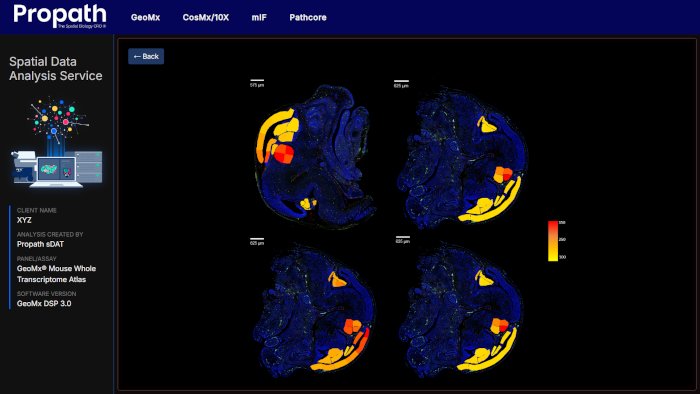
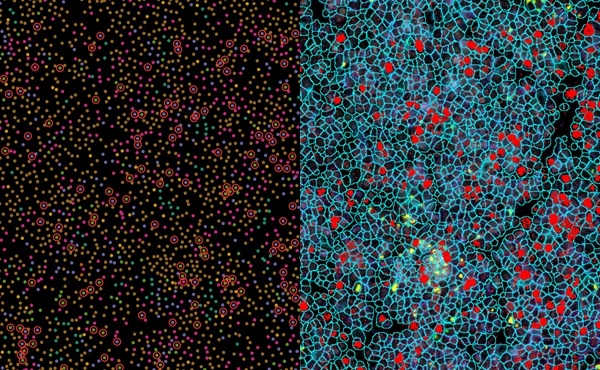
Spatially resolved transcriptomics imagery
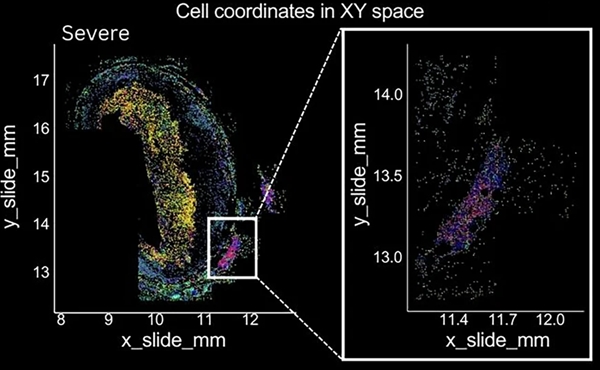
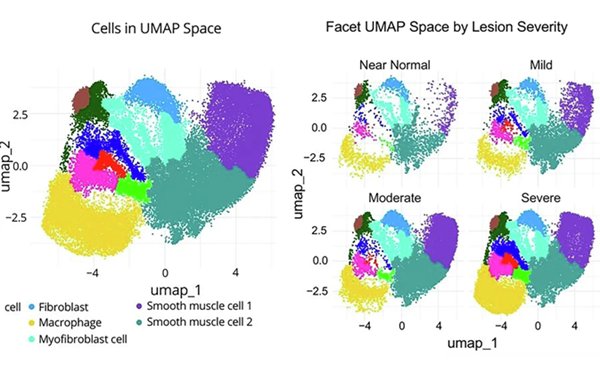
Spatial phenotype map (left) of atherosclerotic plaque generated from single-cell transcriptomics data (Right)
Lab technician reviewing cell
Differential Gene Expression Analysis

Introducing our service​​

  • Scientist led specialist spatial team
    Propath’s biologist-driven solution for interpreting the complex, spatially resolved datasets generated by spatial transcriptomics and spatial proteomics experiments
  • A fully integrated service
    A single, validated, end-to-end solution for sample processing, staining, imaging, hosting, analysis and reporting
  • Platform agnostic​
    Our service can analyse data regardless of the originating platform. If you have spatially resolved data, we can provide insightful and comprehensive analysis.
  • GCP validated R scripting for clinical trial analyses
    Clinical trial compliant analyses available from a range of pre-developed solutions and fully custom scripting, all within Propath’s GCP-ready data platform
  • Standalone service
    Tailored, specific services to complement existing workflows, offering flexibility and cost-effectiveness
  • Multi-omics
    Our services allow integration of multiple data sources, both spatial and non-spatial: IHC, H&E/Histology, mIF, IMC, spatial transcriptomics and bulk sequencing

Propath's GCP validated workflow​

RNAscope in situ hybridization is being used by researchers to complement IHC and as an effective alternative to IHC

Data

Sorted

Arranged

Presented

Explained

Image analysis service menu​

T-cell to macrophage nearest neighbour analysis

  • Basic, advanced or bespoke packages​
    Different tier structures to suit sponsor requirements​​
  • Image QC​
    Quantitative and qualitative image QC metrics​​
  • Tissue segmentation​
    Understanding cellular relationships within separate tissue
    categories
  • Cell segmentation and phenotyping
    Defining cellular boundaries using nuclei dilation or bespoke
    AI-algorithms
  • Advanced data analysis​
    Downstream data analysis to aid interpretation​

A closer look at image analysis tiers​


CD68
FoxP3
CD8
PD1
PD-L1
Ki67
CK
CD4
CD20
CD3
Cytosolic
Nuclear
Membrane
Membrane
Membrane
Nuclear
Membrane
Membrane
Membrane
Membrane
Myeloid
Lymphoid
Lymphoid
Lymphoid, Myeloid
Lymphoid, Myeloid
Cancer, Epithelial
All proliferating cells
Epithelial
Lymphoid, Myeloid
Lymphoid
Lymphoid
Myeloid
Lymphoid
Lymphoid
Lymphoid, Myeloid
Lymphoid, Myeloid
Cancer, Epithelial
All proliferating cells
Epithelial
Lymphoid, Myeloid
Lymphoid
Lymphoid
Standard Advanced Bespoke
Routine artefact detection Bespoke artefact detection

Any image from any source with the option to integrate with other multi-omic data

Fully customisable image processing pipelines include image normalisation, artefact or noise compensation and other deep learning models

Fully bespoke R scripting available for downstream analysis, including integration of non-imaging data such as sequencing, flow cytometry and soluble biomarkers

Statistical support including a range of bioinformatics options

Routine tissue segmentation into two categories Bespoke tissue segmentation
Cell segmentation Bespoke cell segmentation
Cell phenotyping Cell phenotyping
Spatial Analysis - Density analysis, average counts within, nearest neighbour Spatial Analysis - Density analysis, average counts within, nearest neighbour, distance to category edge, neighbourhood analysis
Data provided as excel and high-resolution figures Data provided as excel and interactive plots

GCP validated for clinical trials

Propath's platform for quantitative image analysis and bioinformatics has been designed and validated to be fit-for-purpose for use on clinical trial data.

Our controlled environment ensures analyses are conducted according to the principles of informed consent, data integrity, confidentiality and scientific rigour to maintain GCP compliance from sample receipt to data delivery.

  • Quality Management System
    Propath’s GxP Quality Management System ensures all systems, staff and processes are fit for purpose and reviewed regularly
  • Development, validation and production
    Processes for development, validation and production execution of data pipelines are all controlled by SOPs
  • Risk and review
    ‌Risk-based approach to management of systems, processes and methods (including the use of AI models) ensures fit-for-purpose controls and reviews
  • Validated systems
    All software in the pipeline is validated and managed from image handling through image analysis, data analysis and sharing/transfer
  • Trained staff
    Outputs are generated and/or reviewed by experienced analysts trained to use the systems, processes and SOPs and in the principles of GCP

How our service works​

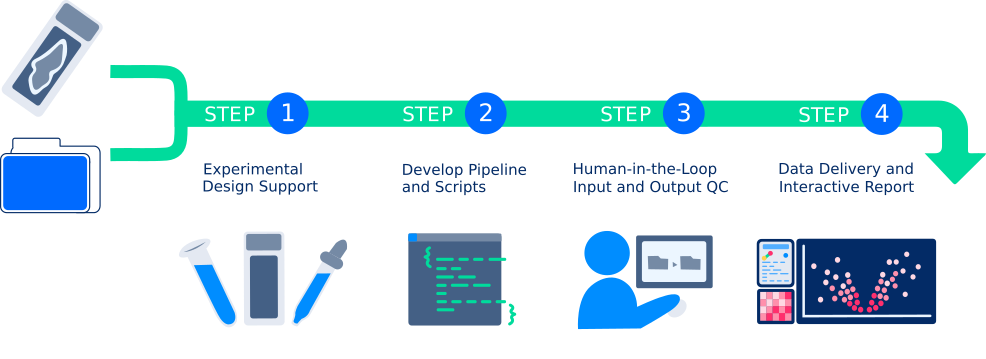
Propath’s team of experienced data scientists work interactively to advise laboratory experimental design and to build routine data pipelines or bespoke solutions, providing robust and reproducible analyses and presenting them accessibly for the relevant stakeholders in support of each step of your pathway, from discovery to clinical trials.
Advanced platforms for spatial biology available today at Propath

‌Our experience across a range of platforms for spatial biology allows us to recommend the most appropriate platform for each research project.

We understand the strengths and limitations of each platform – and how to get the best out of them.


PhenoCycler and PhenoImager
High plex single-cell spatial phenotyping; and focused mIF panels for high-throughput translational research
RNAscope and COMET
High-plex and focussed multi-omic mIF panels supporting discovery and translational studies
Xenium
Targeted, scalable spatial transcriptomics and multi-omics panels at subcellular resolution
Proximity Ligation Assays
Automated PLA assays for the detection of protein-protein interactions and post- translational modifications​
COMET
Highly multiplexed sequential immunofluorescence for up to 40 protein on a single slide
nCounter, GeoMx and Cosmx
Integrated spatial multi-omics including up to whole transcriptome profiling from tissue to sub-cellular resolution
RNAScope and BaseScope
Robust in situ hybridization technology for rapid quantification of any RNA target in any tissue with spatial context
nCounter, GeoMx and Cosmx
Integrated spatial multi-omics including up to whole transcriptome profiling from tissue to sub-cellular resolution
PhenoCycler and PhenoImager
High-plex and focussed mIF panels supporting discovery and translational studies

A selection of Propath's work

isPLA analysis highlighting receptor-ligand binding in pink, interacting cells in red and non-interacting cells in blue
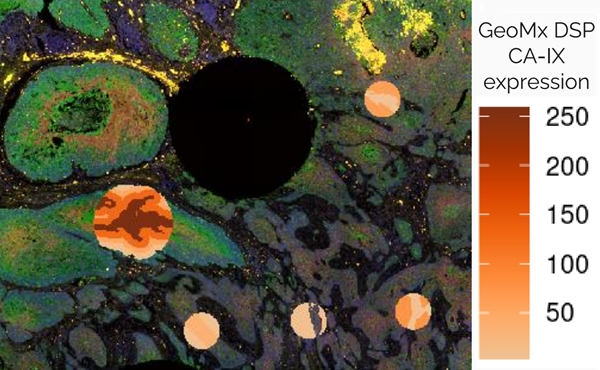
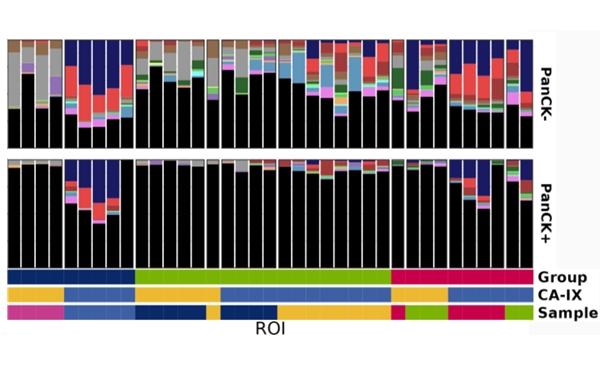
AI guided spatial transcriptomics analysis investigating role of hypoxia in immune cell exclusion in head and neck cancer
Artefact detection demonstrating exclusion of erythrocytes while retaining lower signal from fluor labelled antibody
AAV distribution analysis including glomerulus detection, cell segmentation and classification with RNAscope quantification
Bespoke sensory neuron and satellite cell segmentation for in-situ gene expression assay by CosMx in dorsal root ganglion
Spatial plot representing immune cell phenotypes assigned from a mIF stain generated by COMET on atopic dermatitis

FAQs

Outsourced R&D - Done better.

At Propath we approach biopharma R&D differently. Say goodbye to Large CRO frustrations –and hello to a more responsive, agile and efficient level of service.