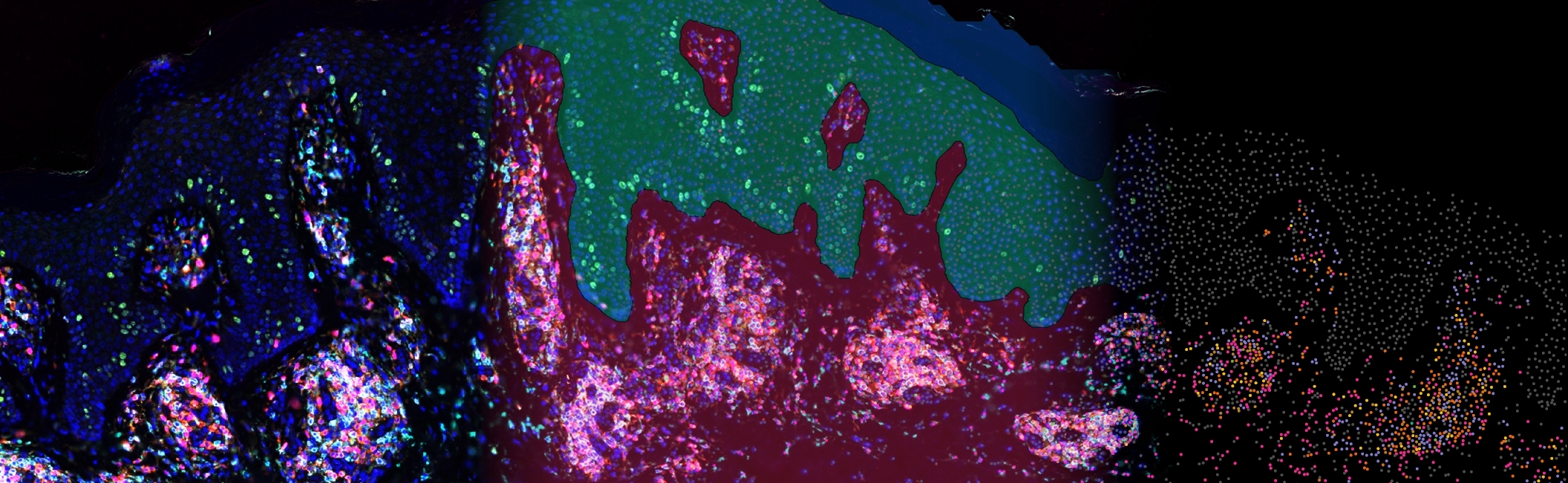
QUANTITATIVE  Image Analysis

Multiplex Immunofluorescence Analysis​

Advanced Image Analysis:
Qualitative images to
quantifiable data​

As a spatial biology specialist, Propath’s bioinformatics service
enables collaboration at any stage of the data journey. ​

Whether you’re working with your own data or have generated
these with one of our other services, we’re equipped to deal with
your research needs. From image hosting through to advanced
analysis and statistical support, our expert team can accelerate
discovery through every pixel.​

Image Analysis Service Menu​

  • Basic, advanced, or bespoke packages​
    Different tier structure to suit your needs​​
  • Image QC​
    Quantitative and qualitative image QC metrics​​
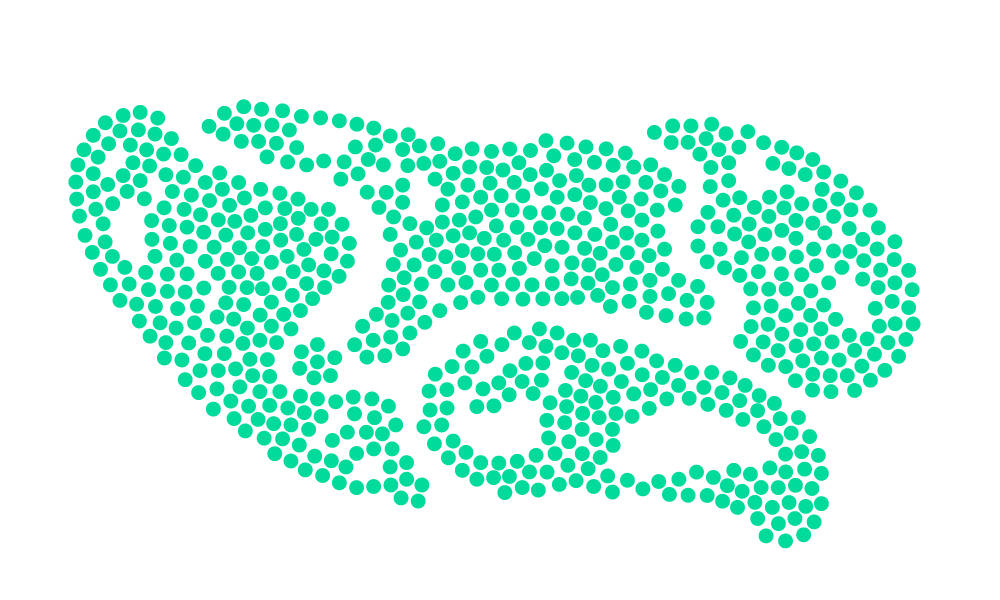
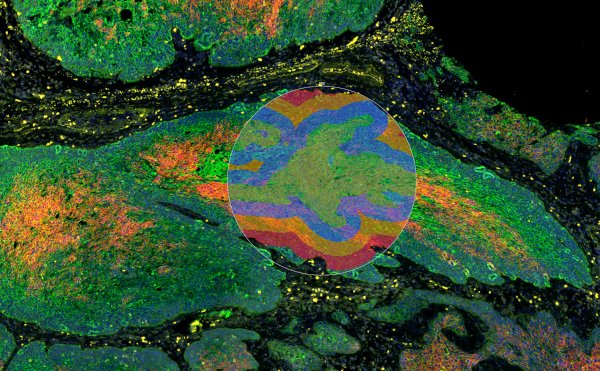
  • Tissue segmentation​
    Understanding cellular relationships within separate tissue
    categories
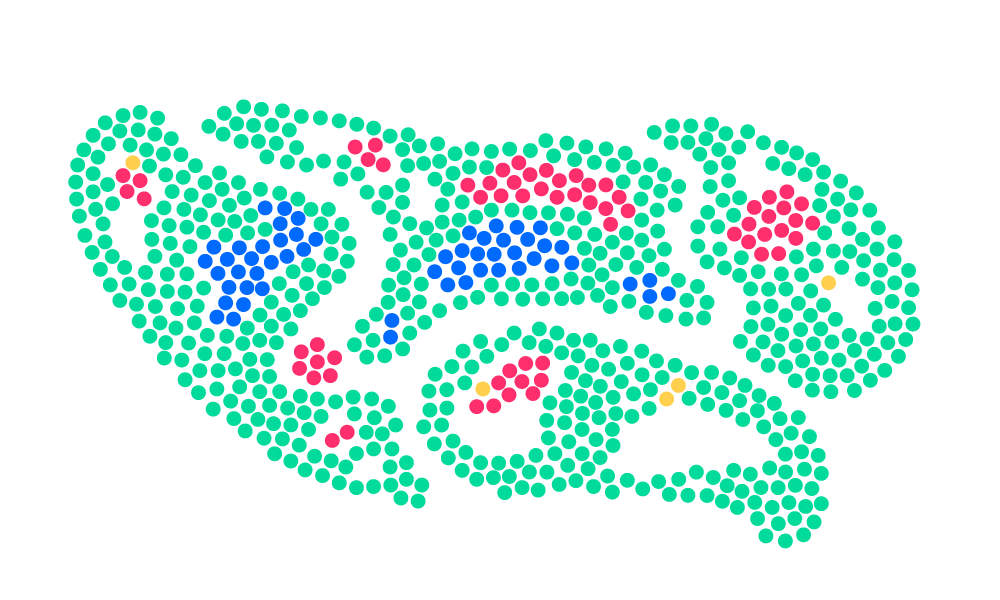
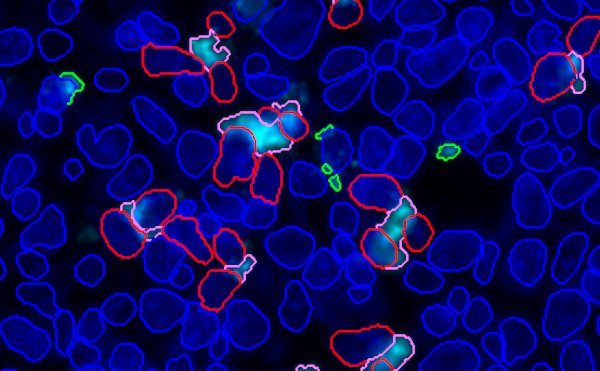
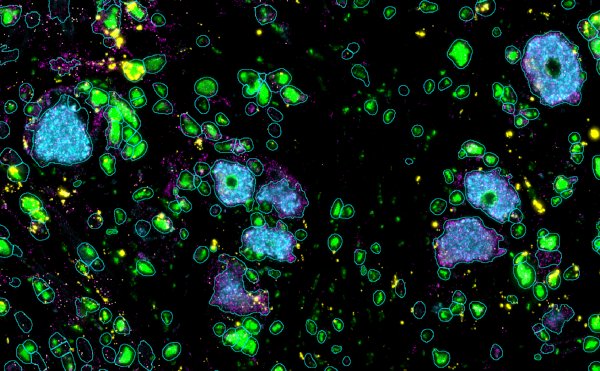
  • Cell segmentation & phenotyping
    Defining cellular boundaries using nuclei dilation or bespoke
    AI-algorithms
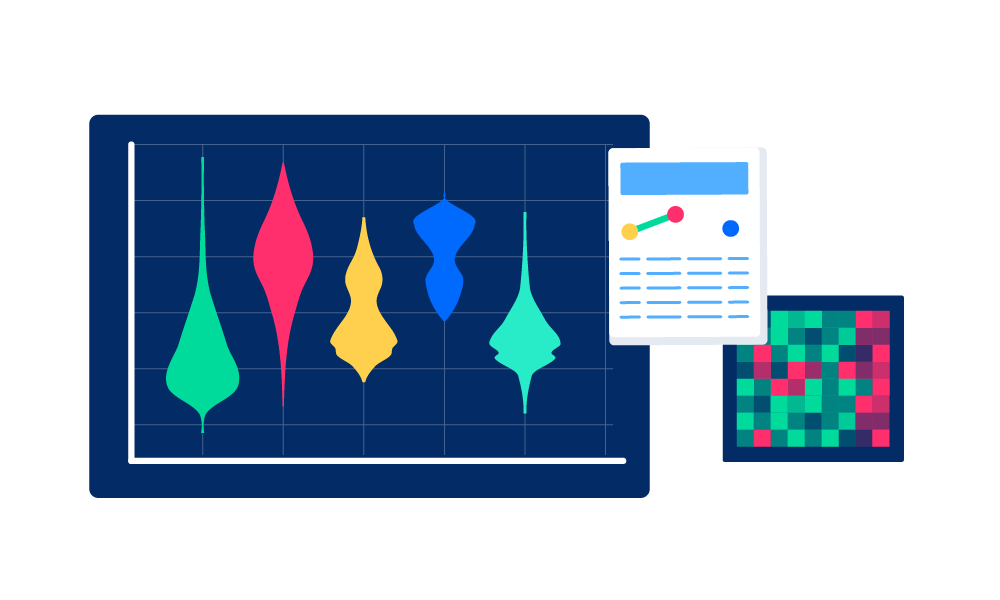
  • Advanced Data Analysis​
    Downstream data analysis to aid interpretation​

Introducing our service​​

  • Image hosting​
    Cloud-hosted image management with PathCore, featuring advanced annotation tools and seamless team access and collaboration within a web browser
  • Fully Integrated Service
    A single end-to-end solution for sample processing, staining. imaging, hosting, analysis, and reporting
  • Platform Agnostic​
    Our services can analyse images regardless of the originating platform. If you have images, we can ensure seamless integration and comprehensive analysis
  • GCP Image Analysis
    We offer GCP-validated whole slide analysis using Visiopharm, leveraging deep learning and artificial intelligence for exploratory
    endpoints
  • Standalone Service
    Tailored, specific services to complement existing workflows, offering flexibility and cost-effectiveness
  • Multi-omics
    Our services allow integration of multiple data sources, both spatial and non-spatial: IHC, H&E/Histology, mIF, IMC, spatial transcriptomics, and bulk sequencing

A closer look at image analysis tiers​


CD68
FoxP3
CD8
PD1
PD-L1
Ki67
CK
CD4
CD20
CD3
Cytosolic
Nuclear
Membrane
Membrane
Membrane
Nuclear
Membrane
Membrane
Membrane
Membrane
Myeloid
Lymphoid
Lymphoid
Lymphoid, Myeloid
Lymphoid, Myeloid
Cancer, Epithelial
All proliferating cells
Epithelial
Lymphoid, Myeloid
Lymphoid
Lymphoid
Myeloid
Lymphoid
Lymphoid
Lymphoid, Myeloid
Lymphoid, Myeloid
Cancer, Epithelial
All proliferating cells
Epithelial
Lymphoid, Myeloid
Lymphoid
Lymphoid
Standard Advanced Bespoke
Routine tissue segmentation into 2 categories Bespoke tissue segmentation into up to 3 categories Get in touch
Cell segmentation Addition of extra training to cell segmentation, if required
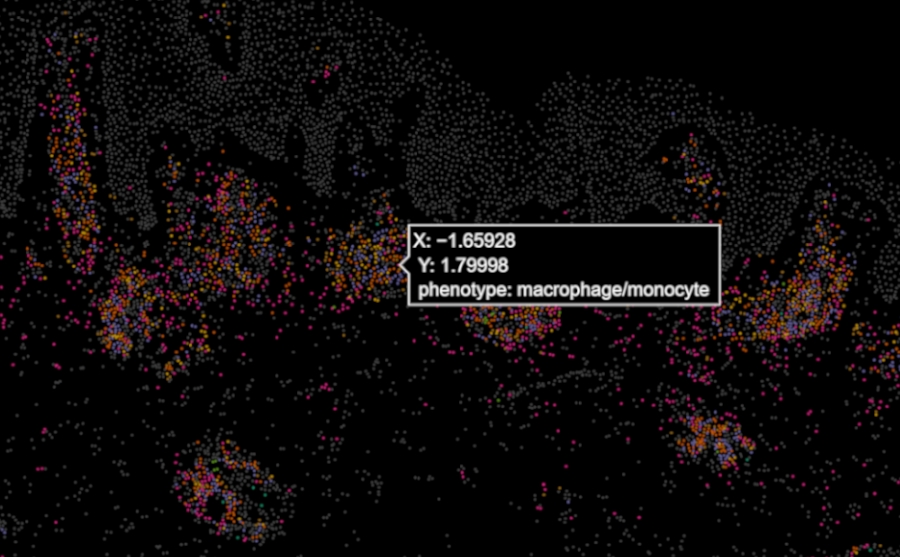
Cell phenotyping (up to X markers) Cell phenotyping (up to X markers)
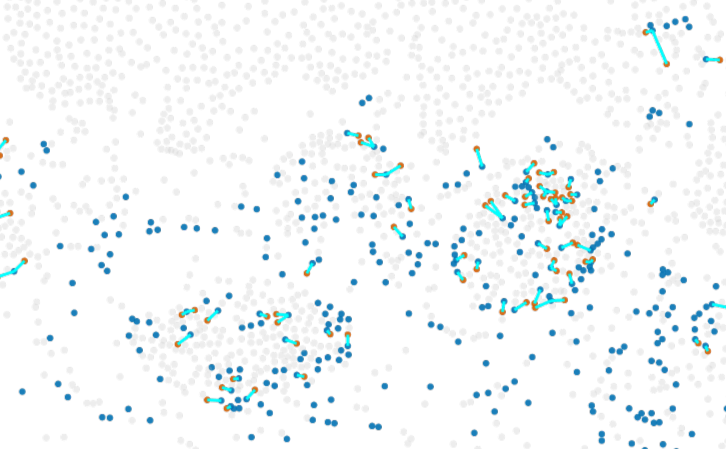
Density analysis, average counts within, nearest neighbour Density analysis, average counts within, nearest neighbour, distance to category edge, neighbourhood analysis
Data provided as excel file Data provided as excel file and high-resolution figures

GCP validated workflow​

RNAscope in situ hybridization is being used by researchers to complement IHC and as an effective alternative to IHC

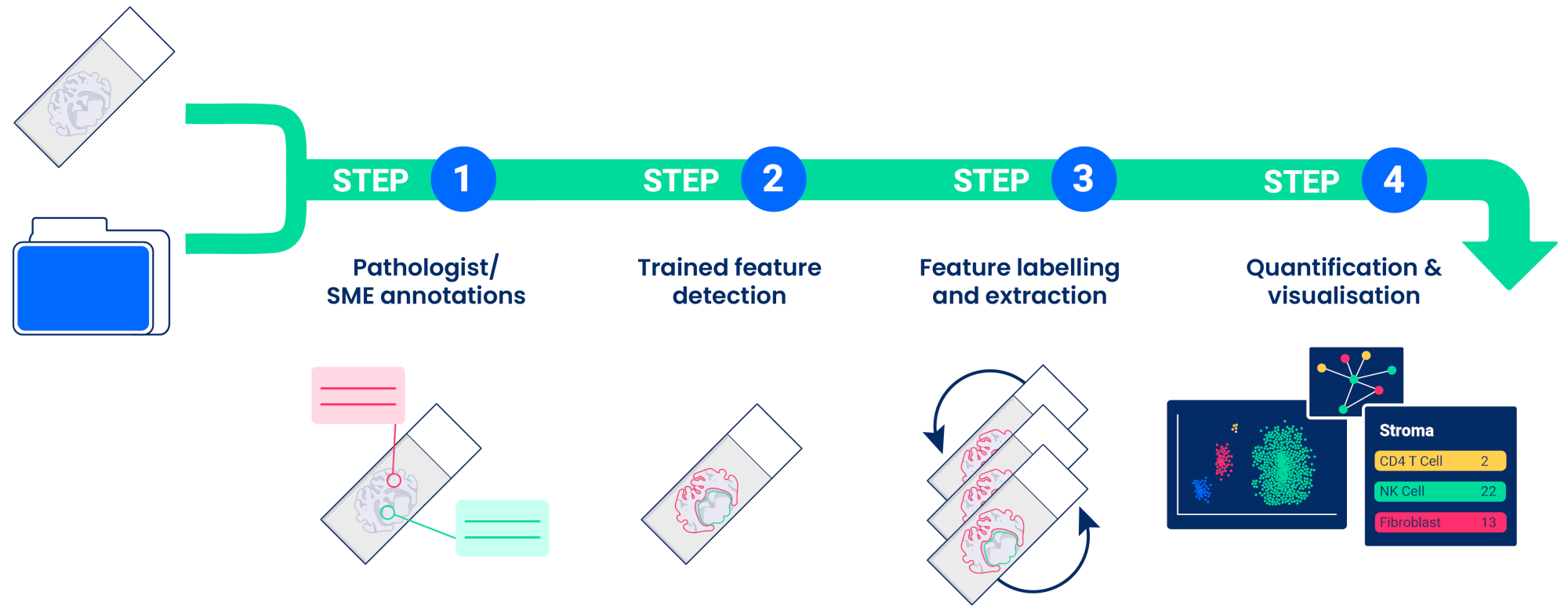
Step 1

Image to data

Step 2

Organise and label data​

Step 3

Extract insights

Image Sharing & Hosting​​

‌IHC is a complex, multi-parameter staining technique applied across variable fresh frozen and fixed paraffin embedded tissues.  As a result, developing an optimum staining protocol is not always straightforward.

Our experience informs our view that high quality IHC with strong signal intensity and low background staining can only be achieved by paying careful attention to the following factors:

01
High-resolution image display: view natively rendered whole slide images in the browser​
02
Zoom and navigation controls: full zoom, pan and rotate controls for a natural viewing experience ​
03
Full display controls: select channel combinations, set colours and adjust histograms to highlight the biology​
04
Annotation tools: Integrated tools enabling identification and markup of features and regions of interest​
05
Integrated analysis workflow: Bidirectional interface with Visiopharm to ensure a seamless training and
review of feature detection algorithms​
06
Cloud-hosted: easily share and distribute images and annotations with your team with a web link, or lock your
images with account-restricted access. ​

Advanced platforms for spatial biology available today at Propath

‌Our experience across a range of platforms for spatial biology allows us to recommend the most appropriate platform for each research project.

We understand the strengths and limitations of each platform – and how to get the best out of them.


‌Lunaphore COMET
Highly multiplexed sequential immunofluorescence for up to 40 protein on a single slide
‌Validated for GCP studies
‌Akoya PhenoCycler and PhenoImager
‌Ultra-high plex single-cell spatial phenotyping; and focused mIF panels for high-throughput translational research
‌Validated for GCP studies
‌RNAScope and BaseScope
Robust in situ hybridization technology for rapid quantification of any RNA target in any tissue with spatial context
Navinci Proximity Ligation
Assays​
Automated PLA assays for the
detection of protein-protein
interactions and post-
translational modifications​

Take a look at some of our work…​​

FAQs

A selection of our work

Outsourced R&D - Done better.

At Propath we approach biopharma R&D differently. Say goodbye to Large CRO frustrations –and hello to a more responsive, agile and efficient level of service.